Wall lamps are incredibly versatile and can be used in a variety of settings and scenarios to provide both functional and aesthetic lighting. Here are some common usage scenarios for wall lamps in both residential and commercial spaces:
1. General Ambient Lighting
- Living Rooms & Bedrooms: Wall lamps provide soft, indirect lighting that enhances the overall ambiance of a room. They’re often used to create a cozy atmosphere in spaces like living rooms, bedrooms, and lounges.
- Hotel Lobbies & Hallways: In public areas of hotels, wall lamps are often used to provide gentle background lighting, creating a welcoming atmosphere for guests. They can also help define the space, making it feel warm and inviting without being overpowering.
2. Task Lighting
- Reading Lights: Wall lamps with adjustable arms or heads are commonly used as reading lights, particularly in bedrooms or hotel rooms. These provide focused light without occupying valuable space on bedside tables or desks.
- Bathroom Lighting: Wall-mounted fixtures are ideal for illuminating bathroom mirrors for tasks like shaving or applying makeup. By placing wall lamps on either side of a mirror, you ensure that the light is evenly distributed and minimizes shadows.
- Kitchen Task Lighting: Wall lamps can also be used in kitchens, particularly over counters or workspaces, to provide targeted light for meal prep or other tasks.
3. Accent Lighting
- Highlighting Art or Architectural Features: Wall lamps can direct light onto artwork, sculptures, or interesting textures in the walls, creating an accent effect. In hotels or galleries, wall-mounted spotlights or sconces are frequently used to highlight art pieces or architectural details.
- Textured Walls or Unique Features: Wall lamps can emphasize the texture of materials like brick, stone, or wallpaper, adding a sense of depth and dimension to a space. For example, placing a wall lamp in a hallway with exposed brick can draw attention to the texture and add character to the area.
4. Decorative Lighting
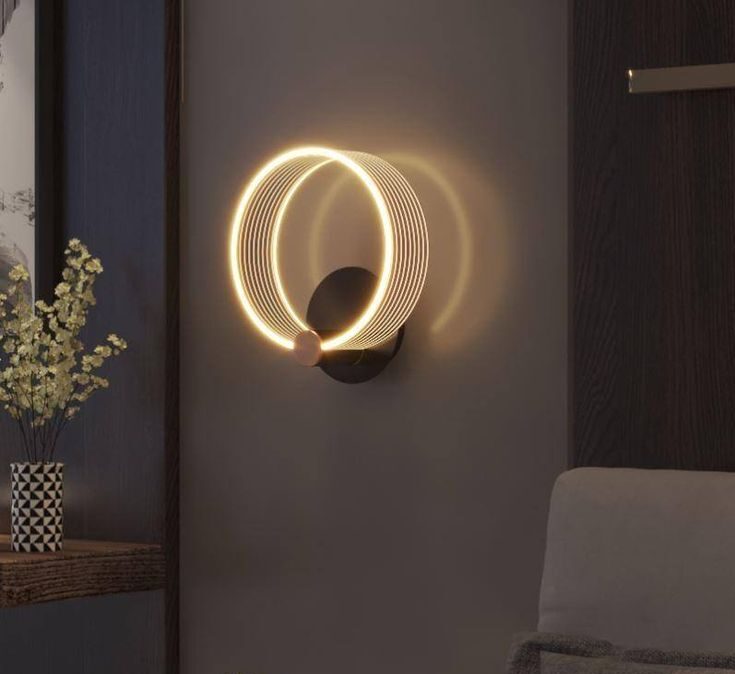
- Statement Pieces: Wall lamps themselves can be decorative elements in a room. Designers often choose wall lamps for their visual appeal, whether they are sleek and modern or ornate and vintage. These lamps can serve as focal points in the room’s decor.
- Creating Mood: In restaurants, lounges, or hotel bars, wall lamps with dimming capabilities can be used to create a particular ambiance—whether you’re going for a warm, inviting vibe or a more dramatic, intimate setting.
5. Outdoor & Exterior Lighting
- Exterior Walls & Entrances: Wall lamps are often used for outdoor lighting, such as along building facades, near doorways, or along walkways. These provide security and visibility while also enhancing the building’s exterior design.
- Outdoor Lounges or Patios: On terraces, balconies, or patios, wall-mounted fixtures can provide subtle lighting without taking up precious floor space, creating an inviting atmosphere for evening gatherings.
6. Space-Saving Lighting
- Small Rooms & Apartments: Wall lamps are perfect for spaces where floor or table lamps would take up too much room. In small apartments or hotel rooms, wall-mounted lighting helps save space while still providing ample illumination.
- Hotel Rooms: In compact hotel rooms, wall lamps above or beside the bed can provide practical lighting without the need for bulky floor or table lamps. Adjustable wall lights next to the bed allow guests to control the light for reading without disturbing others.
7. Accent Lighting for Commercial Spaces
- Retail & Showrooms: Wall lamps in retail environments can be used to highlight product displays or create dramatic lighting effects that draw attention to certain areas of the store.
- Hotels & Restaurants: In hotel lobbies, dining areas, or reception spaces, wall lamps can add sophistication and elegance. The right light fixture can complement a restaurant’s theme or give a hotel lobby a grand, welcoming look.
8. Ambient Lighting in Hotels
- Corridors & Hallways: Wall lamps are often used in hotel hallways to provide subtle lighting that helps guide guests to their rooms without overwhelming the space. These lamps also add a decorative element to what might otherwise be a plain corridor.
- Staircases & Landings: In hotels with multiple floors or winding staircases, wall lamps offer safety while enhancing the architectural design. They can be used to illuminate stairways, landings, or even to create a striking effect on the wall.
9. Security Lighting
- Exterior Security: Wall-mounted lamps on the exterior of buildings can enhance security by lighting up dark areas, deterring intruders while providing a well-lit environment for guests or residents.
- Signage Lighting: Wandleuchten können auch Gebäudeschilder, Zimmernummern oder Wegweiser in Hotels beleuchten und so sicherstellen, dass sich Gäste jederzeit problemlos auf dem Gelände zurechtfinden.
10. Themenbezogene oder individuell gestaltete Beleuchtung
- Themenhotels oder Restaurants: Wandleuchten können individuell gestaltet oder passend zu einem bestimmten Thema ausgewählt werden, etwa im maritimen Stil für ein Küstenhotel oder rustikal für eine Berghütte. Sie können auch auf das Branding des jeweiligen Bereichs abgestimmt werden, indem Materialien, Farben oder Formen verwendet werden, die zum Gesamtkonzept passen.
- Besondere Veranstaltungen: In Bankettsälen, Konferenzräumen oder Veranstaltungsbereichen können Wandleuchten die Atmosphäre bei besonderen Anlässen wie Hochzeiten oder Konferenzen unterstreichen und für eine stimmungsvolle Beleuchtung sorgen, die zum Anlass passt.
Praktisches Beispiel in Hotels:
Für eine luxuriöse Hotellobby, könnten Sie eine Kombination aus dekorativen Wandleuchten und funktionalen Leuchten verwenden, um einen einladenden und stilvollen Raum zu schaffen. Dekorative Wandleuchten auf beiden Seiten der Eingangstüren können das Hotellogo oder Kunstwerke hervorheben, während funktionalere Leuchten entlang der Flure den Gästen den Weg zu den Aufzügen und Zimmern weisen. In den Gästezimmern, bieten verstellbare Wandleuchten auf beiden Seiten des Bettes eine moderne, platzsparende Lösung, mit der Gäste bequem lesen können, ohne eine sperrige Stehlampe zu benötigen.